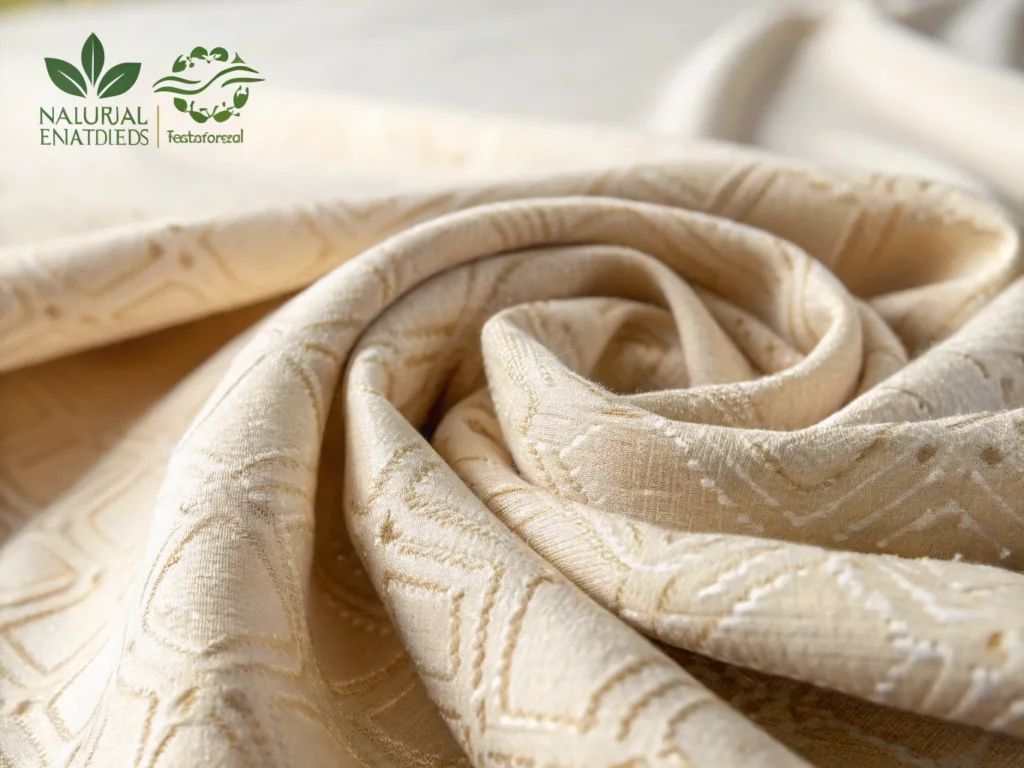
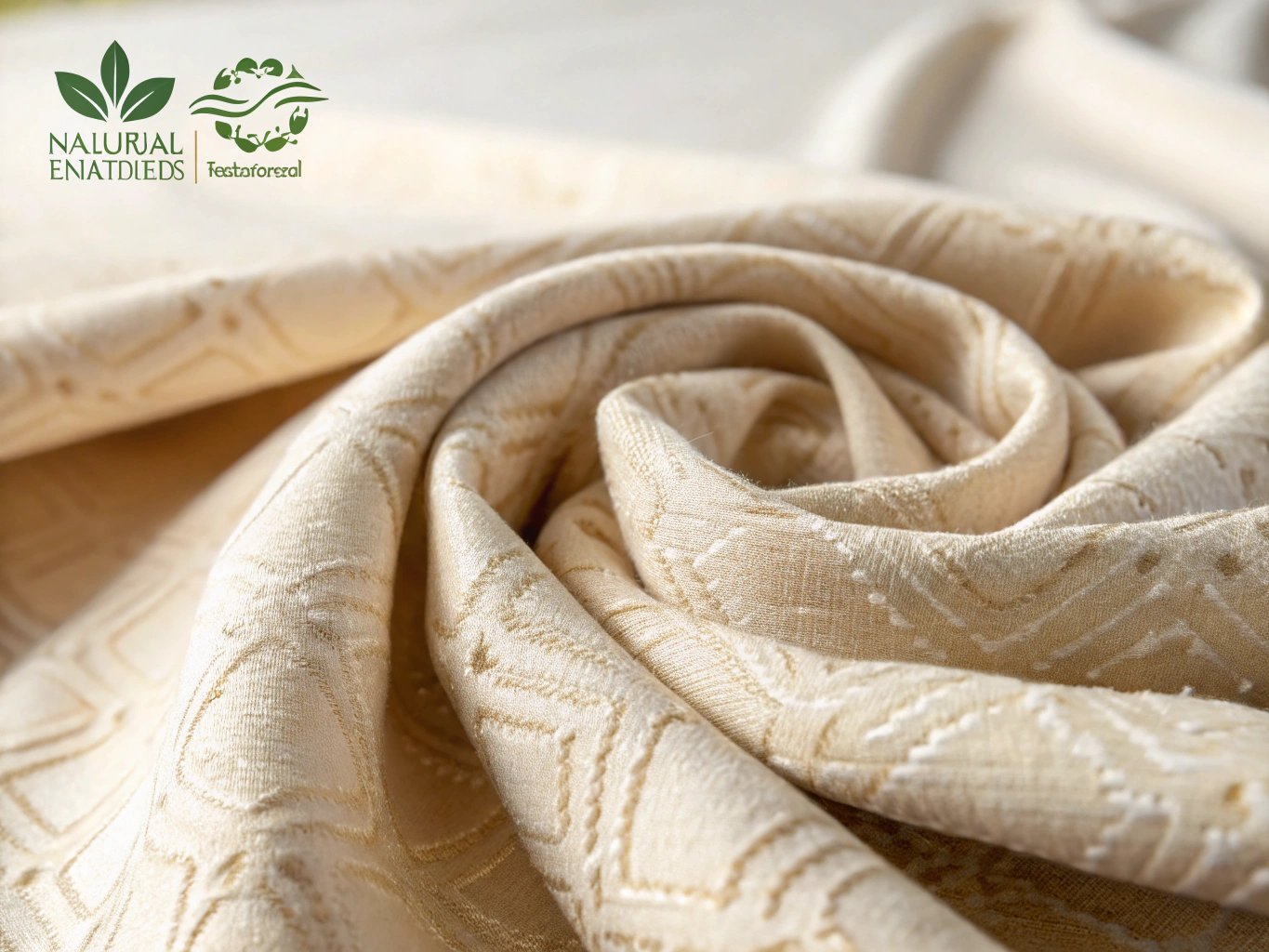
Upholstery influences daily cleaning, client comfort and the visual identity of a Pilates studio. Commercial buyers should review the complete surface and padding specification rather than selecting color from a screen alone.
Match the surface to studio usage
Consider class frequency, cleaning routine, local climate and the types of clothing or accessories likely to contact the surface. Ask for available material options for the selected model. Material options can be confirmed before order.
Assess surface feel and cleanability
A commercial surface should feel comfortable while supporting routine care. Ask which cleaning method is recommended and avoid assuming that every chemical is suitable. Test any new cleaner on a discreet area first.
Review padding and edge construction
Padding thickness alone does not define comfort. Look at firmness, shape retention, edge finishing and how the upholstery meets handles or frame components. Request close-up photographs of the actual model where available.
Check stitching and high-contact areas
Inspect seams, corners and areas near shoulder rests or footbar positions. Clean, consistent stitching helps the equipment present professionally and makes routine visual inspections easier.
Plan color and brand coordination
Color can support a studio concept or distributor range, but screen colors are approximate. Color and upholstery details are confirmed during quotation. For larger projects, document selected colors and logo placement before production.
Include future care in the buying decision
Ask how to clean the surface, what can cause premature wear and whether replacement upholstery or related parts can be supplied. Compare suitable models in the Pilates reformer category.
Related Articles
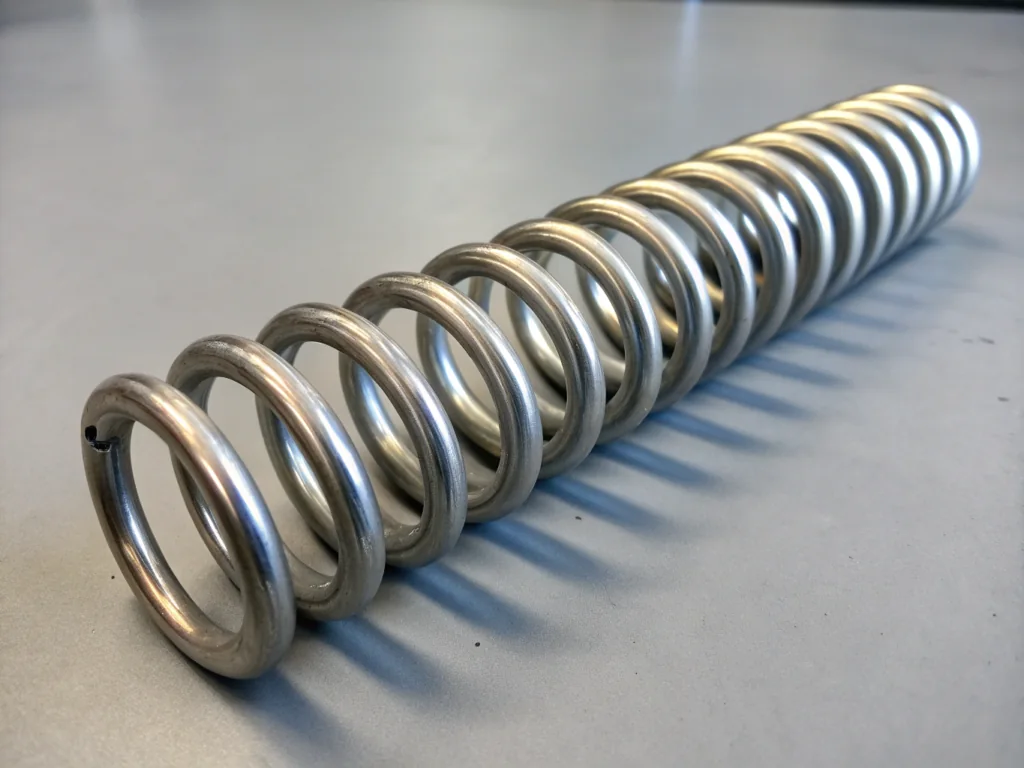
A Practical Guide to Pilates Reformer Springs and Resistance Systems
Understand reformer spring configurations, resistance planning, inspection and replacement considerations.
Read Article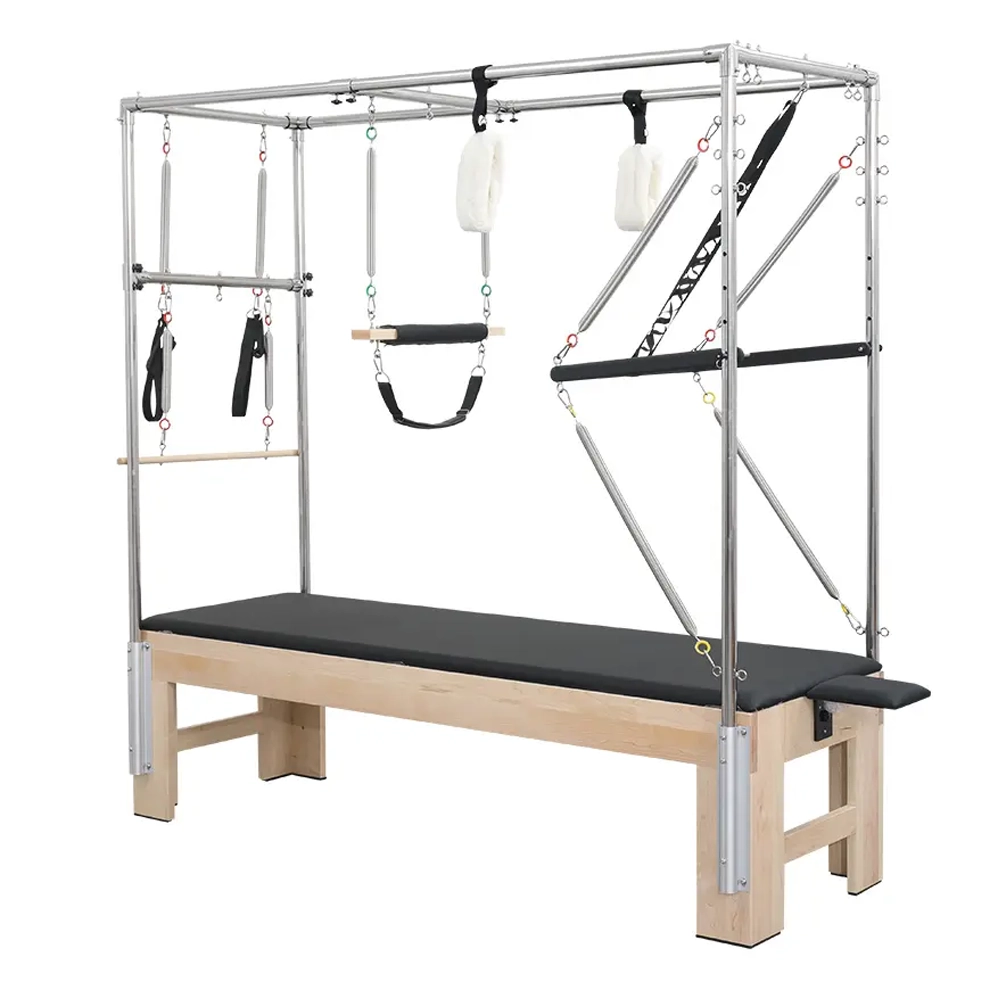
Cadillac Trapeze Table Buying Guide for Pilates Studios
Key questions for evaluating frame stability, working surface, attachments and studio fit.
Read Article
Wooden vs Aluminum Pilates Reformers: Which Is Better for Your Studio?
Compare wooden and aluminum reformers by studio style, handling, maintenance and project needs.
Read ArticleNeed help selecting Pilates equipment?
Tell us your studio size, equipment requirements, quantity and destination country. We will help review suitable equipment options for your project.