An OEM request can begin with a short message: “same beige as the photo,” “put our logo here,” or “pack it for Europe.” That is enough to start a conversation. It is not enough to release a Pilates equipment order into production.
The practical work is turning those messages into one controlled specification. The base equipment, configuration, finish, artwork, labels and packing all need an agreed record—and they do not all become final at the same time.
Start With the Base Equipment, Not the Logo
Before discussing cartons or logo position, identify what is actually being customized: equipment type, base model, main configuration, included accessories, quantity, destination and expected commercial use. Add any functional requirement that would make another configuration unsuitable.
“Ten custom reformers” is still an incomplete request if the box, jump board, tower configuration or other project items have not been recorded. Branding the wrong base configuration does not fix the purchasing mistake. Product scope comes first.
Send a Short OEM Brief Before Asking for Final Pricing
The brief does not need design-agency formatting. A spreadsheet, PDF or structured email works. What matters is that the current requirements are in one place rather than split between screenshots, voice notes and several chat threads.
Buyer / brand: company or project name
Market: intended sales or use market
Buyer type: studio, distributor or private label
Equipment: model or category
Quantity: by model
Destination: country and relevant delivery context
Finish: frame or wood preference
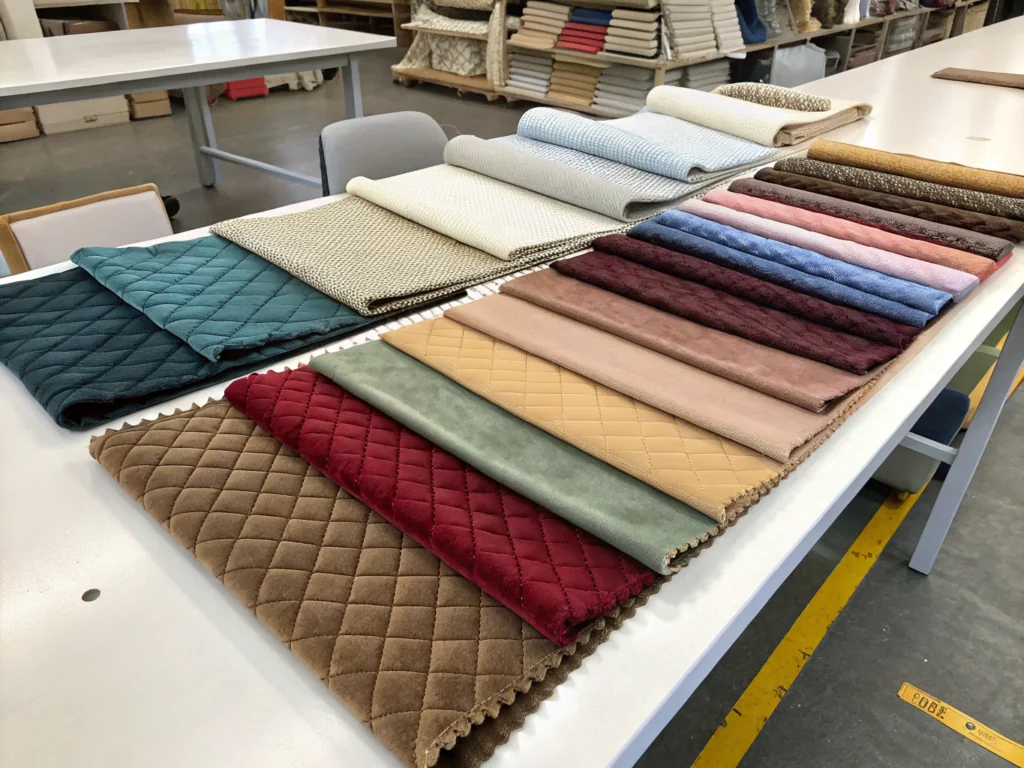
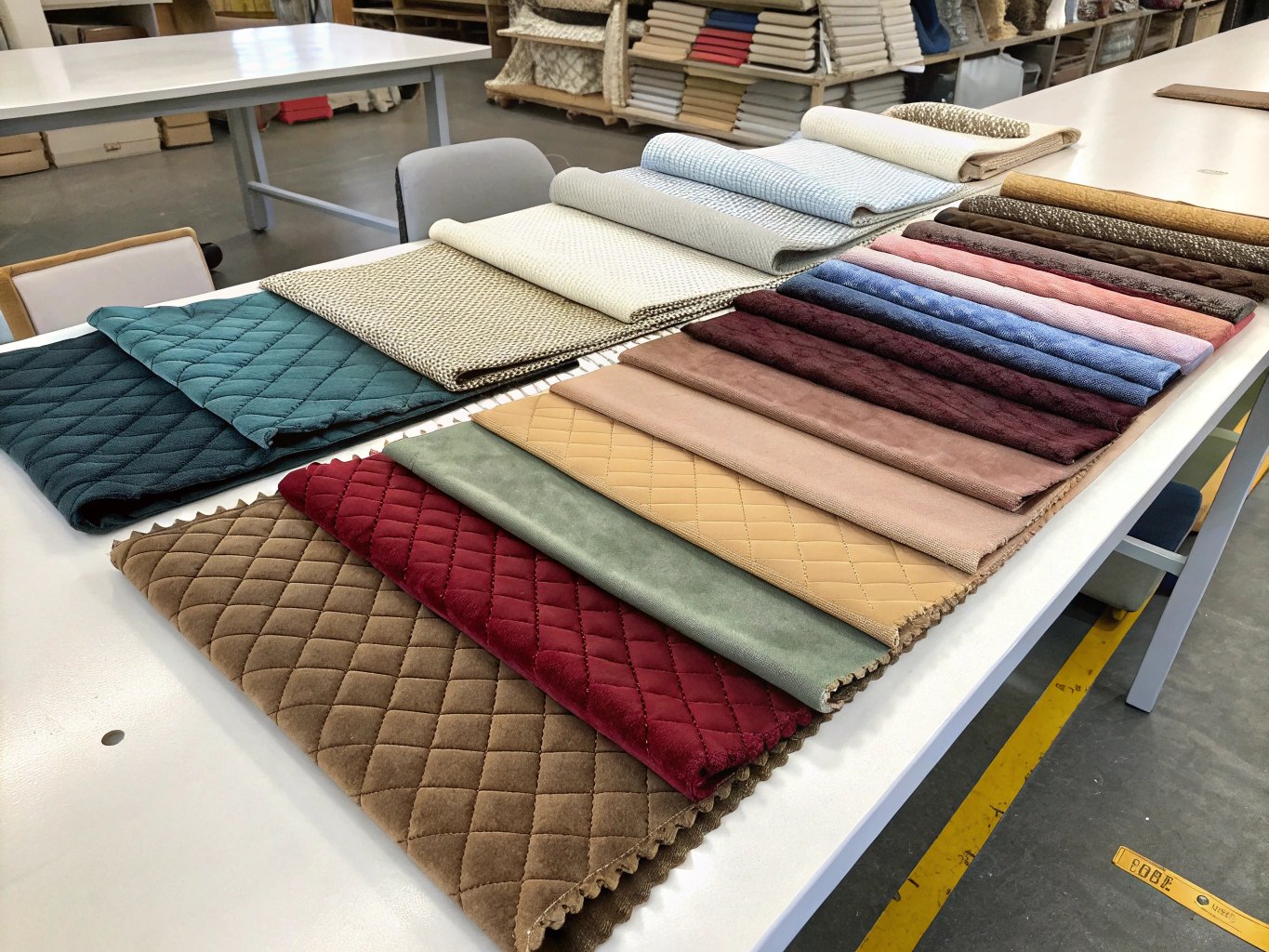
Upholstery: material/color reference
Branding: logo and label requirement
Packing: marks, labels or other requests
Timing: target date and its meaning
Other changes: items outside the standard offer
WhatsApp remains useful for quick questions and progress updates. The final version of the requirement should still be consolidated into a record that both sides can check.
Use a Buyer–Factory–Lock Table
The table below is a practical project structure, not an industry standard. It separates what the buyer sends from what the factory still needs to check.
| Buyer provides | Factory confirms | Lock before |
|---|---|---|
| Base model | Available configuration | Quotation |
| Quantity | Production scope | Order confirmation |
| Color reference | Available finish or matching method | Production |
| Upholstery reference | Available material and color | Production |
| Logo file | Size, position and feasible method | Artwork approval |
| Packing request | Feasible packing details | Packing preparation |
| Destination | Relevant shipping and packing information | Shipment planning |
Lock the Product Configuration Before Cosmetic Customization
Functional configuration covers the equipment setup, included accessories, adjustment options and any confirmed component choices. Branding and cosmetic work covers items such as finish, upholstery color, logo, labels and carton marks. The two groups affect each other, but they are not interchangeable.
A functional change can alter the quotation, production work, parts list or packing. Clarify it before spending time on artwork for a configuration that may still change. If you are comparing factories, use the same brief for each and compare manufacturers using the same project brief.
Colors Need References, Not Descriptions
“Warm beige,” “gold” and “dark wood” mean different things to different people. Where appropriate, use a physical sample, a recognized color reference, or a clear photo taken under reasonable lighting. A digital or code reference can help when the relevant material and finish support it, but it is not a universal promise of exact matching.
Materials also reflect color differently. Painted metal and upholstery intended to coordinate may not look identical under the same light. For upholstery, record the available material, color reference, finish, model compatibility and stitching preference if that option is available. Ask about composition, cleaning or certification only where those details matter to the order; the factory should confirm the applicable information.
A Logo File and a Logo Approval Are Two Different Things
A logo screenshot from WhatsApp is enough to show what the brand looks like. It is usually not enough to approve production artwork. A clean vector or high-resolution file is preferable where available; AI, EPS, SVG or print-quality PDF may be useful, subject to what the factory can accept.
- Mark the intended location on a photo or drawing.
- Give an approximate size and orientation.
- State the required logo color.
- Identify every location if more than one is requested.
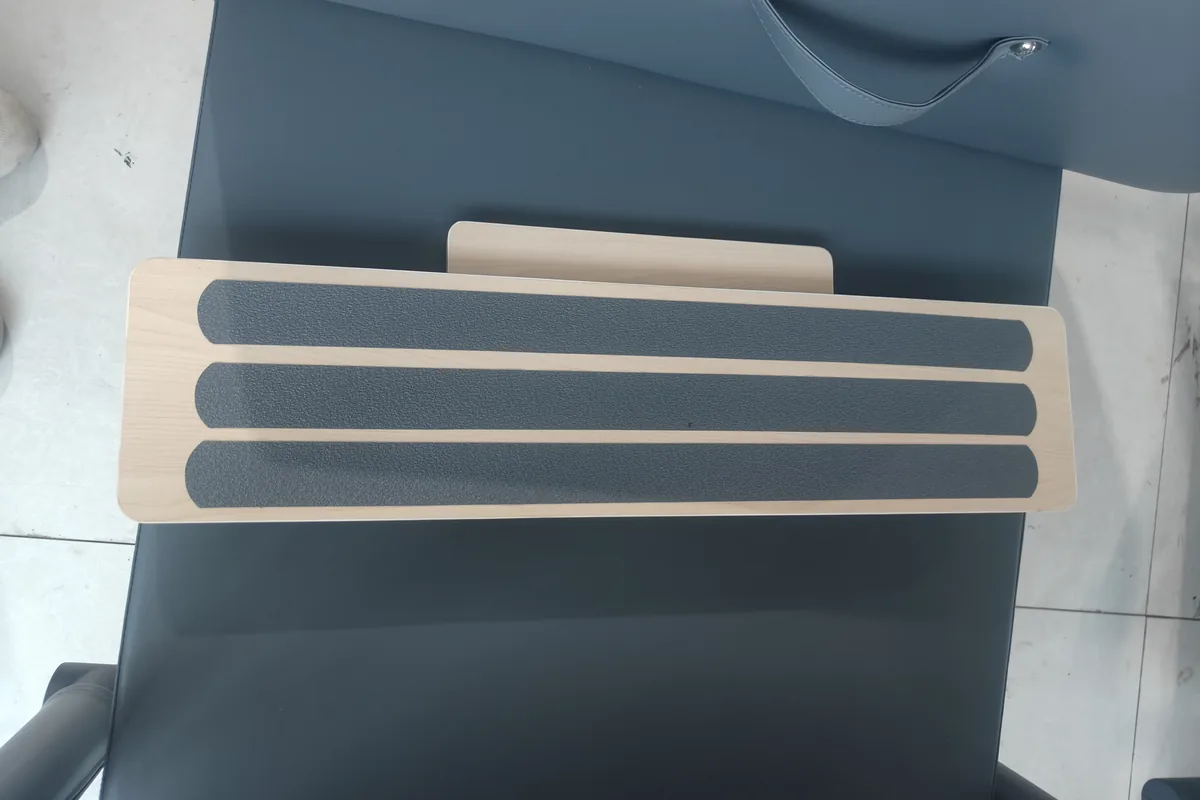
The application method should be confirmed according to the equipment, material and order requirement. Do not assume the same method is available on every surface or model.
Approve Artwork Before Production, Not After
The approval record can cover logo artwork, placement, size, color reference, labels, carton marks and packaging wording. It should identify which version is current. Screenshots buried in a long chat are hard to control once several people are working from the information.
If the latest logo size was agreed in a voice message but the production file still shows the previous size, someone eventually has to guess. That is exactly what an approval sheet is meant to prevent.
Packaging Is Part of an OEM Project
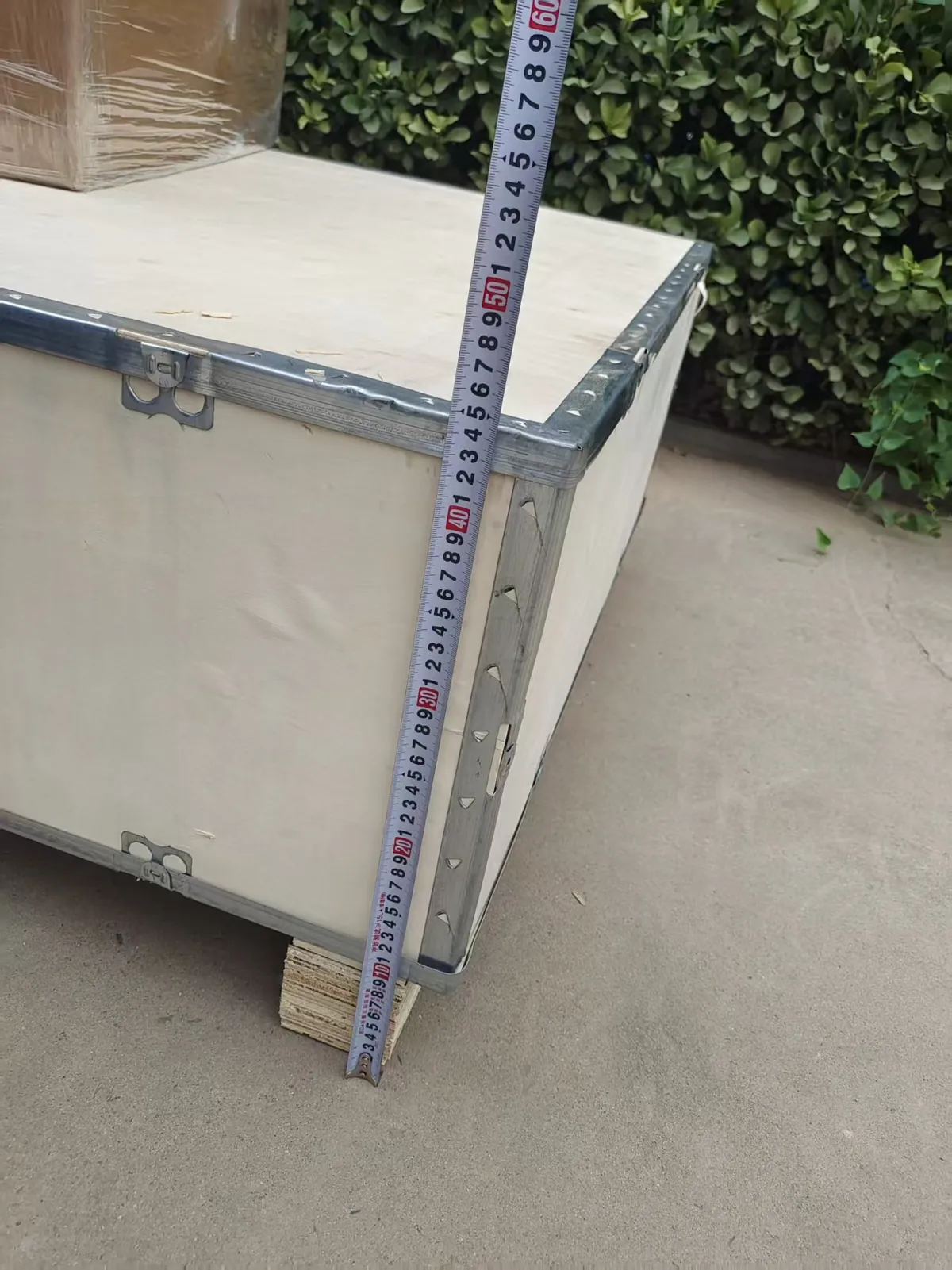
Private-label orders may need carton marks, product or brand labels, accessory identification, manuals where applicable, package numbering and destination-specific information. Requirements can be reviewed and confirmed based on the project; not every item or format is available for every order.
Confirm which party supplies the wording or artwork, when it becomes final, and how packages will be identified on the packing list. Review the broader packing, shipping and after-sales framework, then put the order-specific requirement in the quotation or approved specification.
Know When Changes Stop Being “Small Changes”
What is the final change cutoff for this order?
Ask that question before approval. Moving a logo while artwork is still being discussed may be simple. The same request can mean rework, waste, extra cost or delay after artwork is approved, material is prepared, production has started or packaging has been printed.
A late change is not automatically impossible, but its impact needs to be checked before anyone promises a new result or schedule. Update the controlled specification if the change is accepted.
Use Approval Checkpoints Instead of One Final Approval
One “approved” message is too vague for a project with several customized items. A workable sequence may look like this:
Commercial confirmation: models, quantity, quotation scope and relevant terms.
Configuration confirmation: included items and customized options.
Artwork and color confirmation: current logo file, placement, reference and labels.
Production release: key customization is locked before work proceeds.
Pre-packing or shipment confirmation: relevant QC evidence, accessories and packing details.
A simple logo order may need fewer checkpoints. A project combining configuration, finish, branding and packaging may need more. Match the workflow to the actual complexity.
Samples and Pre-Production Checks: Decide What You Actually Need
A full physical pre-production sample is not automatically necessary for every order. Established color options and a standard logo position may be handled through artwork, material references or another agreed confirmation, depending on the model and project.
More complex development may justify discussing an artwork preview, material or color confirmation, sample component, first-unit check, prototype or pre-production sample. Feasibility, cost and timing need to be confirmed rather than assumed. Decide what uncertainty the check is meant to remove before requesting it.
QC Should Check the Approved Customization Too
For an OEM order, “does the equipment work?” is only part of the final check. The agreed inspection may also need to verify:
- the approved color or finish;
- the correct logo, orientation and placement;
- the selected accessories;
- labels or carton marks where applicable;
- the agreed packing requirement.
The relevant checks depend on the order specification. Agree on the evidence or review point before production is complete; do not add a universal inspection claim that was never part of the order.
What Buyers Can Confirm With Yichuan Pilates
Yichuan Pilates manufactures equipment in its own Ningbo production facility and handles product configuration, assembly, QC, packing, export coordination and after-sales coordination. For relevant projects, production, assembly or packing material can help confirm progress and agreed details. Available OEM and private-label support is reviewed against the selected model, quantity and project requirement.
Keep the Final Specification for the Next Order
“Same as last time” is not a specification. Retain the final approved model and configuration, color reference, logo artwork version, label version, packing requirement and accessory list. For a repeat order, attach that record and identify any requested changes.
This does not guarantee that every material or option remains unchanged forever. It gives both sides a defined starting point and makes any new confirmation easier to see.
Common OEM Mistakes That Create Rework
- Choosing logo and color before the base product is confirmed.
- Using screenshots as the only artwork source.
- Writing “cream,” “gold” or “dark wood” without an agreed reference.
- Changing requirements across several chat threads without updating the final record.
- Leaving packaging or labels until production is nearly complete.
- Assuming every customization is available on every model.
- Changing an approved item after production begins without checking the impact first.
- Failing to retain the approved specification for a repeat order.
OEM Project Checklist Before Production
□ Base model confirmed
□ Quantity confirmed
□ Accessories confirmed
□ Frame or finish confirmed
□ Upholstery confirmed
□ Logo artwork received
□ Logo position approved
□ Labels confirmed
□ Packing requirements confirmed
□ Destination confirmed
□ Production timing reviewed
□ Final specification approved
Use the current product catalogue as a reference, then send your project requirements for an order-specific discussion.
Related Articles
How to Compare Pilates Equipment Suppliers: Price, Quality, Lead Time and Service
Compare Pilates equipment suppliers by factory evidence, build quality, quotation scope, QC, lead time, packing and after-sales support.
Read Article
Pilates Reformer for Sale: Common Purchasing Mistakes Studios Should Avoid
Avoid common specification, configuration and service mistakes when sourcing reformers for a professional studio.
Read Article
Pilates Reformer Packaging and Shipping Guide for International Buyers
Plan packing, documentation and international delivery details before your reformer order is confirmed.
Read ArticleNeed help selecting Pilates equipment?
Tell us your studio size, equipment requirements, quantity and destination country. We will help review suitable equipment options for your project.