

A simple maintenance routine helps studios identify wear early, keep equipment presentable and communicate clearly when replacement parts are needed. The schedule should follow actual usage and the guidance supplied with each model.
Daily cleaning and visual checks
Wipe upholstery and high-contact surfaces with a suitable method after use. Check that the carriage path is clear and look for loose items, damaged straps or obvious changes in operation before the next session.
Weekly ropes, straps and pulley review
Inspect ropes and straps for fraying, cuts or uneven wear. Check that pulleys rotate freely and that ropes track correctly. If movement or sound changes, pause use and investigate before continuing.
Spring and attachment inspection
Review springs and connection points for visible damage, corrosion or deformation. Confirm that components are seated correctly. Replacement parts should match the exact equipment model and configuration.
Fasteners, wheels and frame stability
Check accessible fasteners, transport wheels, footbar or pedal pivots and frame contact points. Do not overtighten or modify parts without appropriate guidance. Escalate recurring movement or instability.
Maintain clear service records
Record inspection dates, observations and replacements. Photos and model information help a supplier identify the correct part. A simple log also makes it easier for managers to see recurring maintenance needs.
Plan replacement-part communication
Keep essential order information and contact details available. Browse all Pilates equipment categories, review the replacement parts category, or contact Yichuan Pilates with the model and photographs for support.
Related Articles
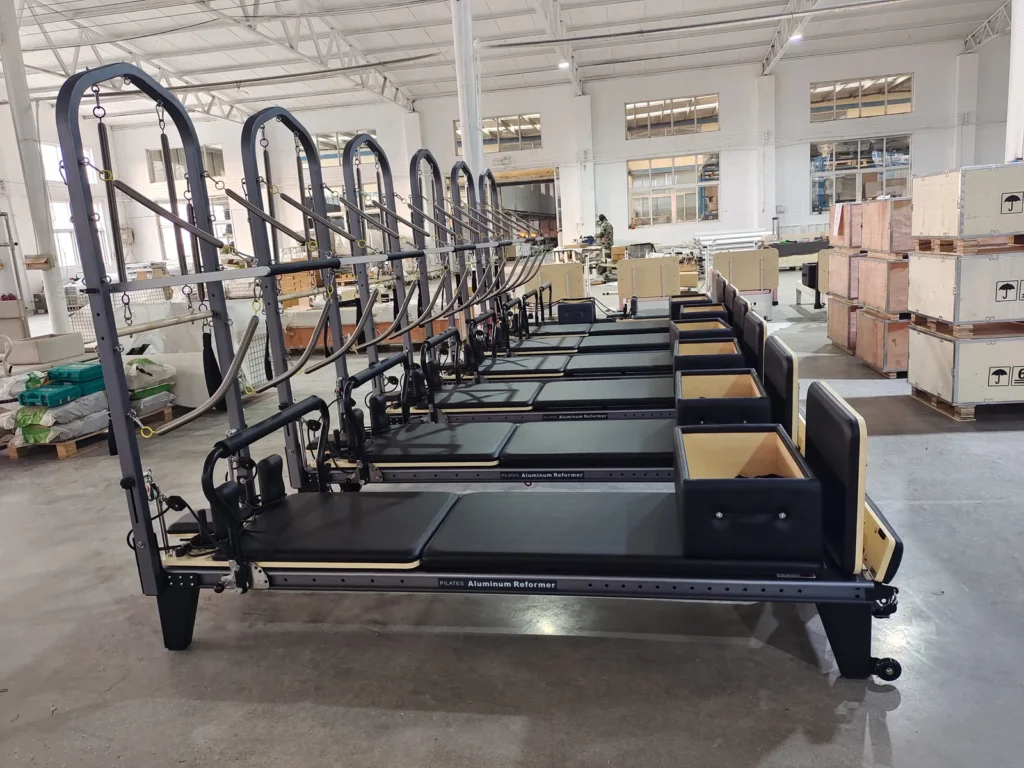
Pilates Reformer Troubleshooting: 8 Common Problems and What to Check First
Carriage not smooth, straps uneven, unusual noise or unstable movement? Learn what to check first and when to stop using your Pilates reformer.
Read Article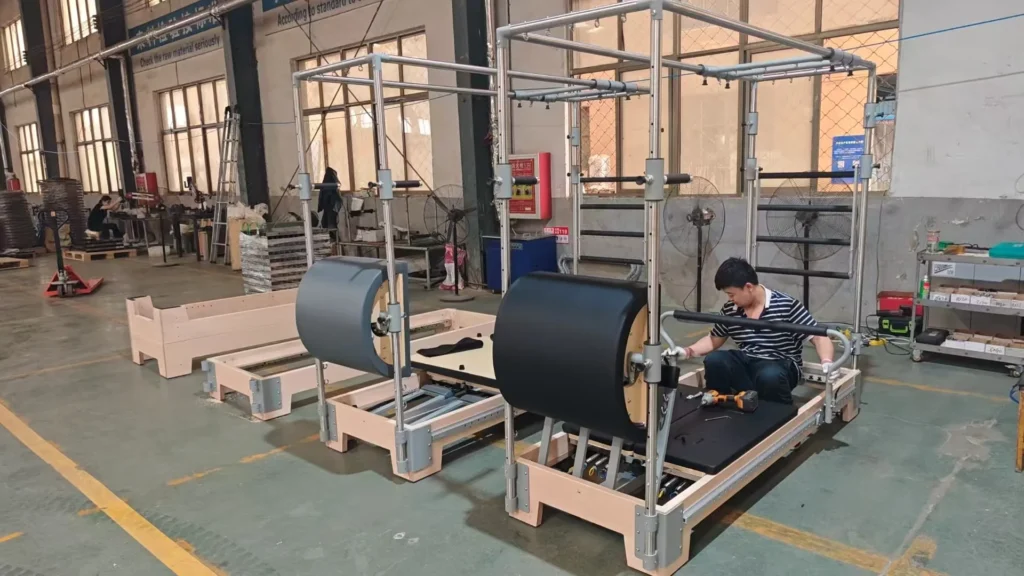
How to Compare Pilates Equipment Suppliers: Price, Quality, Lead Time and Service
Compare Pilates equipment suppliers by factory evidence, build quality, quotation scope, QC, lead time, packing and after-sales support.
Read Article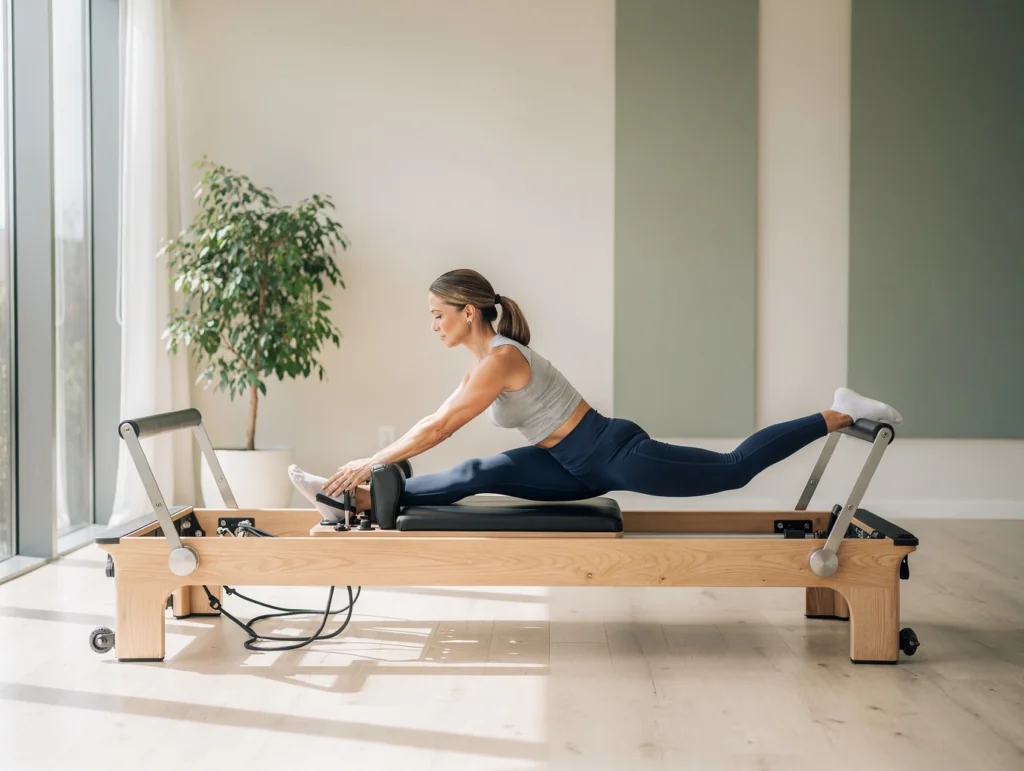
Pilates Reformer for Sale: Common Purchasing Mistakes Studios Should Avoid
Avoid common specification, configuration and service mistakes when sourcing reformers for a professional studio.
Read ArticleNeed help selecting Pilates equipment?
Tell us your studio size, equipment requirements, quantity and destination country. We will help review suitable equipment options for your project.