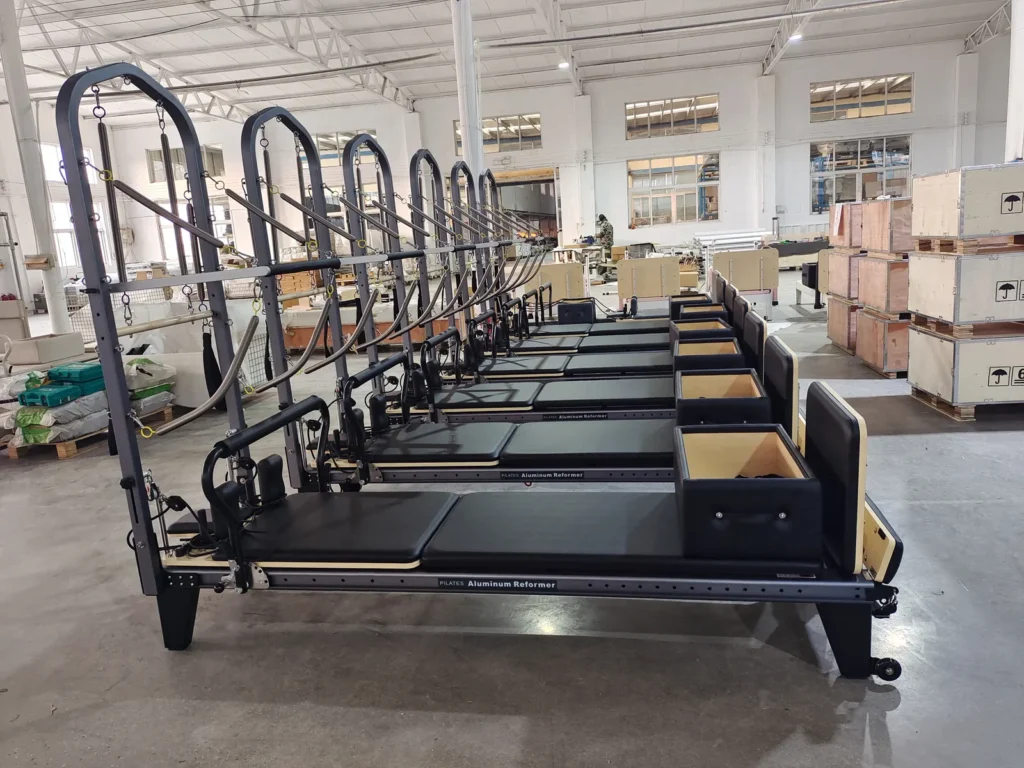
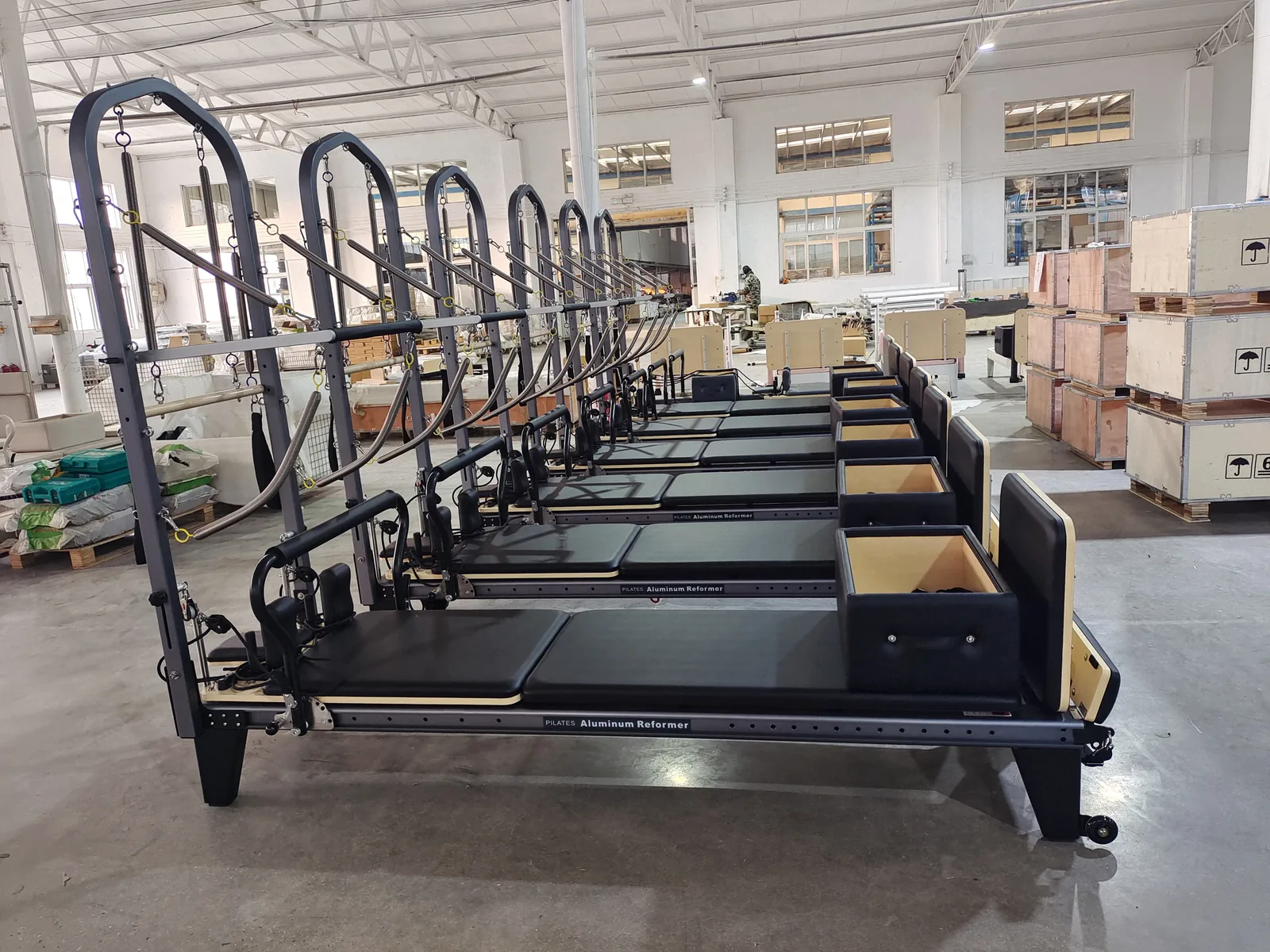
A Reformer usually gives you some warning before a small equipment issue becomes a bigger one.
The carriage may feel slightly rough. One strap suddenly seems longer than the other. A machine that was quiet last week starts clicking during footwork. Or an instructor notices that one Reformer in the studio simply feels different from the rest.
The difficult part is knowing whether you are looking at a five-minute setup issue, normal wear, or something that should take the equipment out of service.
This guide starts with the symptom rather than the maintenance calendar. It is written for studio owners, instructors and equipment users who want to make a sensible first check before contacting their supplier.
One rule comes first: if you find a damaged spring, badly frayed rope, unstable structural component, loose load-bearing connection or anything that makes the equipment feel unsafe, stop using that unit until the problem has been identified.
Quick Troubleshooting Reference
| What you notice | Check first | Stop using it if |
|---|---|---|
| Carriage feels rough or sticky | Rails, wheels, debris, floor level | Wheels are damaged or movement remains unpredictable |
| New squeak, click or grinding sound | Where the sound occurs, accessories, rails, fasteners | Noise is accompanied by instability, grinding or visible damage |
| Straps feel uneven | Rope length, routing and adjustment | Rope is frayed, damaged or will not stay adjusted |
| Resistance feels different | Spring selection and visible spring condition | A spring is deformed, corroded, kinked or damaged |
| Rope catches or pulls unevenly | Rope path and pulleys | Rope is fraying or pulley movement is abnormal |
| Reformer rocks or moves | Floor level and contact points | Frame or structural connections move under load |
| Footbar or shoulder rest feels loose | Locking position and visible fasteners | The component will not lock securely |
| Upholstery becomes sticky, cracked or worn | Cleaning method and surface condition | Damage affects safe contact or exposes underlying material |
The exact construction varies by model, so the equipment manual and manufacturer guidance always take priority over a general troubleshooting article.
1. The Carriage Suddenly Feels Rough, Heavy or Sticky
This is one of the first things instructors notice because the Reformer stops feeling the way it normally does.
Before assuming that a bearing or wheel has failed, look at the simple things.
Check the carriage path. Hair, dust and small pieces of debris can collect on the runners or around the wheels. Even a small amount can change the feel of the carriage, especially on a machine that gets used for several classes a day.
Clean the rails using the method recommended for that model and inspect the visible wheel contact area.
Then check whether the Reformer is level.
A machine sitting unevenly on the floor can behave differently from the same model beside it. This becomes particularly noticeable when several identical Reformers are installed in one studio and only one feels wrong.
If cleaning and levelling do not restore a smooth glide, the next question is whether the wheels, rollers or bearings show wear or damage.
That is the point where guessing becomes less useful. Record the model and send the supplier a short video showing the carriage travelling through its full range.
Do not automatically spray lubricant onto the rails. On many Reformer designs, lubrication is not part of normal rail maintenance and can attract more dust. Follow the care instructions for the specific machine instead.
2. A Reformer Starts Squeaking, Clicking or Knocking
“It's making a noise” is useful information, but it is not enough to identify a part.
The first job is to work out when the noise happens.
Does it happen when:
- the carriage moves with no straps in use?
- the ropes are pulled?
- a spring extends?
- the footbar is loaded?
- a jumpboard or box is installed?
- the user changes direction?
That distinction quickly narrows the search.
A rolling or scraping sound that follows the carriage may point you back toward the runners and wheels.
A sound that only appears when the ropes are moving deserves a look at the rope path and pulleys.
A click that appears when bodyweight reaches the footbar may come from a completely different area.
Accessories also deserve a quick check. A shoulder rest, jumpboard or removable component that is not fully seated can sometimes create a noise that sounds more serious than it is.
What matters most is change.
A familiar soft operational sound is different from a new grinding, repeated knocking or rapidly worsening noise. If the sound is new and the movement also feels different, pause that Reformer and investigate before the next class.
3. The Left and Right Straps No Longer Feel Equal
Uneven straps are annoying for an instructor and confusing for a client.
Sometimes the problem is simply setup: somebody adjusted one side during the previous class and did not return it to the normal position.
Compare the left and right rope length using the adjustment method intended for your Reformer. Make sure both ropes are routed correctly and that nothing is caught around a corner, pulley or adjustment point.
Do this before blaming the springs.
If the straps are visually equal but the pull still feels different, look at the rope travel on each side. One rope dragging through a pulley or running incorrectly can make the two sides feel different even when their measured length is similar.
The ropes themselves also need inspection.
Look for:
- fraying;
- cuts or nicks;
- flattened areas;
- damaged stitching at handles or loops;
- unusual wear concentrated on one side.
Do not shorten, knot or modify a rope simply because the adjustment has become inconvenient. If a rope repeatedly loses its setting or shows damage, identify the correct replacement for that model.
For a busy studio, it is worth including a quick strap check when instructors prepare the room. It is much easier to correct before a client is lying on the carriage.
4. The Spring Resistance Suddenly Feels Different
This one needs a little care because “the spring feels wrong” does not always mean the spring is damaged.
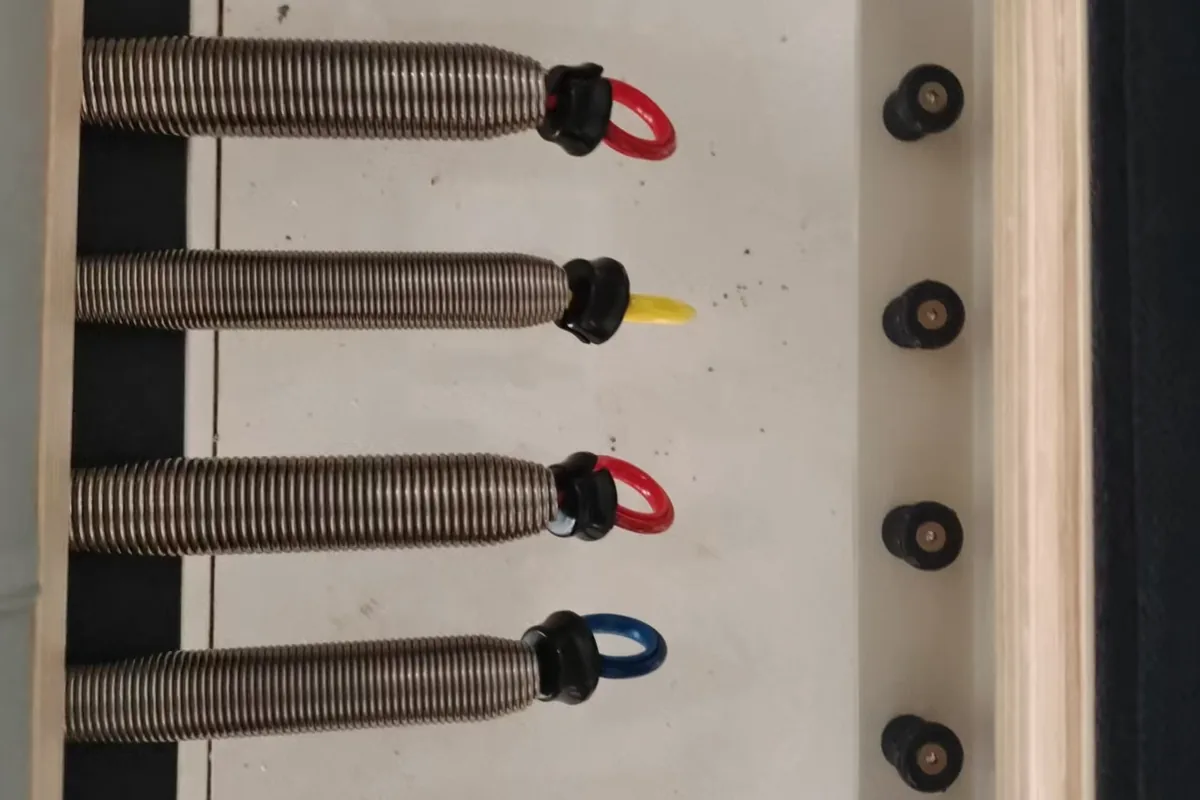
First confirm the spring configuration.
Spring colors and resistance levels are not universal between manufacturers, and even equipment from different ranges can feel noticeably different. If someone has moved springs between machines or replaced one with a different specification, the change may be real even though everything looks normal from a distance.
Then inspect the spring itself.
Look for obvious:
- deformation;
- unusual gaps;
- kinks;
- corrosion;
- damaged attachment areas.
A visibly damaged spring should not stay in service.
Spring performance also changes with use, which is why studios need an inspection and replacement plan based on the guidance for their particular equipment rather than waiting for a spring to fail.
If several identical Reformers are used together, instructors often notice changing resistance earlier because one machine begins to feel different from its neighbours.
That is useful information. Record which machine and which spring is involved instead of swapping components around until the difference disappears.
5. The Rope Catches, Jerks or Does Not Travel Smoothly
A rope problem often feels different from a carriage problem.
If the carriage rolls smoothly when you are not using the straps, but the pull becomes rough when the rope system is involved, start with the rope path.
Watch how the rope moves through the pulley.
Is it centred?
Does it rub one side?
Does it catch only at a certain point?
Is there excessive slack somewhere in the system?
Check for dust, hair or other debris around accessible pulley areas, but do not dismantle a pulley assembly unless the model instructions tell you how to service it.
Then inspect the rope itself.
A rope that is wearing repeatedly in the same position is giving you useful information. Replacing the rope may solve the immediate symptom, but if the routing or pulley condition is causing the wear, the new rope may develop the same problem.
Photograph both the damaged section and the complete rope path when asking for support.
That is much more useful than a close-up of a frayed rope with no indication of where it sits on the Reformer.
6. The Reformer Feels Unstable or Rocks During Use
Start with the floor.
It sounds obvious, but an uneven surface or incorrectly adjusted levelling foot can make a solid machine feel unstable.
Check that the equipment is positioned correctly and that all intended floor contact points are actually touching the floor.
Then look at accessible structural fasteners and adjustment points.
If the machine was recently moved, assembled or repositioned, pay particular attention to the areas involved in that process.
There is an important distinction here:
A Reformer that needs levelling is one thing.
A frame, leg, footbar support or other structural component that visibly moves under load is another.
Do not keep teaching on a machine while trying to decide whether structural movement is “probably normal.” Take it out of service and have the connection checked.
For studio owners, this is also why periodic fastener inspections matter. Repeated loading over hundreds of sessions can reveal things that were not obvious when the equipment was first installed.
7. The Footbar, Shoulder Rests or Other Adjustable Parts Feel Loose
Adjustable parts are handled constantly in a studio.
A client changes the footbar. An instructor removes the shoulder rests for an exercise. The next class puts everything back.
That repeated handling means a setup problem can sometimes look like a mechanical problem.
First check whether the component is fully seated in its intended position and whether its locking mechanism is correctly engaged.
Never force a pin, lever or adjustment system into place.
If a component does not move or lock the way it normally does, stop and look for the reason.
Accessible fasteners can also loosen over time, but tightening should follow the correct procedure for the model. “As tight as possible” is not a maintenance specification and can create another problem.
A useful support video shows two things:
- the complete component and where it sits on the machine;
- what happens when you try to adjust or load it.
That gives the supplier much more information than simply saying “the footbar is loose.”
8. The Upholstery Feels Sticky, Looks Dry or Starts Cracking
Not every equipment pain point comes from the moving parts.
Studio upholstery deals with sweat, repeated cleaning, clothing, zippers, jewellery and hundreds of contact cycles.
When a surface starts changing, review the cleaning routine before assuming the material was defective.
Ask:
- Which cleaning product is being used?
- Was the cleaner recommended for this surface?
- Has the product recently changed?
- Is disinfectant being left wet on the upholstery?
- Are abrasive cloths being used?
- Is jewellery or hardware regularly contacting the same area?
Strong or unsuitable cleaning products can shorten the life of some upholstery materials. The safe cleaning method depends on the actual surface supplied with the equipment.
Physical damage also matters. Buckles, rings and sharp clothing hardware can leave cuts or wear that cleaning will never solve.
If the cover is damaged, send the supplier a full carriage photo plus close-ups of the affected area. Include the model and order reference where possible so the correct upholstery or replacement component can be identified.
What Not to Do When a Reformer Feels Wrong
The quickest fix is not always the right one.
Avoid turning a small unknown problem into a larger one by improvising.
In particular:
Do not lubricate everything that squeaks.
The correct maintenance method depends on the component. Oil or spray on a runner that is designed to stay clean and dry can make the situation worse.
Do not keep using a visibly damaged spring or rope.
Wear components are replaceable. They are not worth testing “for one more class.”
Do not swap random parts between Reformers without recording what you changed.
You may make the symptom disappear while losing the information needed to identify the cause.
Do not force adjustment systems.
If a pin, footbar or locking mechanism suddenly behaves differently, find out why.
Do not send only one extreme close-up when asking for support.
Context matters.
How to Report a Reformer Problem So the Supplier Can Actually Help
A message saying:
“The machine is noisy. What should I do?”
usually creates another round of questions.
A better support request contains:
- equipment model;
- order reference if available;
- full photo of the Reformer;
- close-up of the suspected area;
- short video showing the problem;
- when the symptom occurs;
- whether it happens with or without load;
- whether anything was recently adjusted, moved or replaced.
If the problem is with a replacement part, include a photo showing where that part sits on the complete machine.
This matters even more when several versions of a Reformer look similar but use different wheels, ropes, springs or fasteners.
At Yichuan Pilates, model information, photographs and short videos help us understand the part position and operating condition before discussing an adjustment or replacement component.
For service scope and replacement support, review our Shipping & Warranty information.
A Five-Minute Studio Check Before the First Class
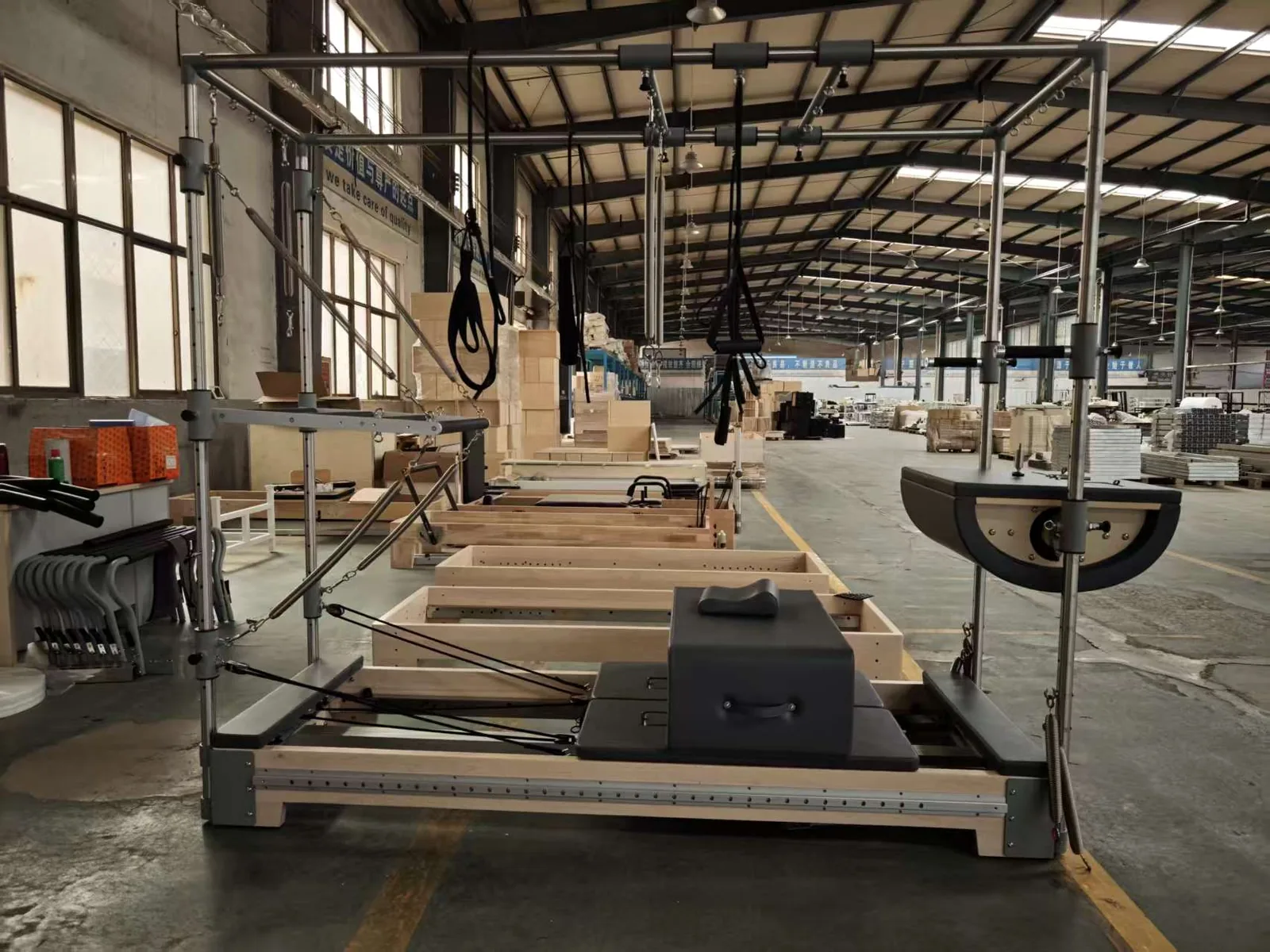
Troubleshooting is easier when instructors already know how each machine normally feels.
Before the first session of the day, a quick check can include:
- carriage glides normally;
- runners are clear;
- straps are even and routed correctly;
- springs show no obvious damage;
- footbar and shoulder rests are secure;
- machine is stable on the floor;
- no new or unusual sound is present.
This is not a substitute for a proper maintenance schedule. It is simply a way to notice changes early.
If one Reformer feels different, label it and investigate rather than leaving the next instructor to discover the same problem during class.
The Most Useful Troubleshooting Habit: Describe the Symptom Before Guessing the Part
“Bad wheel,” “weak spring” and “broken pulley” are conclusions.
Start with what you can actually observe:
The carriage feels rough during the first half of travel.
The right strap becomes tight before the left.
The click only happens when the footbar is loaded.
One spring looks different from the others.
The frame rocks on the front-left corner.
That information is far more useful.
A Pilates Reformer is a system of rails, wheels, springs, ropes, pulleys, adjustment points and upholstered components. Similar symptoms can have different causes.
Observe first. Make the safe, simple checks. Stop using damaged or unstable equipment. Then give your supplier enough information to help identify the next step.
For routine inspections, see our Pilates Equipment Maintenance Guide for Studios. If you need help identifying a Yichuan Pilates component, send the equipment model, full product photo, close-up images and a short video through our Contact page or WhatsApp.
Related Articles

Pilates Equipment Maintenance Guide for Studios
Build a practical inspection and maintenance routine for reformers and other studio equipment.
Read Article
How to Compare Pilates Equipment Suppliers: Price, Quality, Lead Time and Service
Compare Pilates equipment suppliers by factory evidence, build quality, quotation scope, QC, lead time, packing and after-sales support.
Read Article
Pilates Reformer for Sale: Common Purchasing Mistakes Studios Should Avoid
Avoid common specification, configuration and service mistakes when sourcing reformers for a professional studio.
Read ArticleNeed help selecting Pilates equipment?
Tell us your studio size, equipment requirements, quantity and destination country. We will help review suitable equipment options for your project.